


Last Updated: August 2026
An opportunity zone business valuation is the study of a company’s fair market value for IRS rules under a Qualified Opportunity Fund. Congress created the program in the 2017 Tax Cuts and Jobs Act to draw long-term money into low-income areas. Investors can defer capital gains tax, and after ten years they owe none on the new growth. Sofer Advisors prepares neutral reports that hold up under audit.
Owners meet this rule when a fund buys their business inside a zone. Investors can defer gains, then owe no tax on new growth after ten years. But the break rests on one thing: a firm value at day one. Get that wrong, and the whole deal can unwind.
Key Takeaways
- Proof for the IRS: A formal valuation is your main evidence of QOZB status during an audit.
- Basis must double: The substantial improvement test adds value equal to the starting basis within 30 months.
- Strict income and asset rules: A qualified business earns 50% of its income and holds 70% of its property inside a zone.
- Value the business, not the tax break: Appraisers price the entity itself, not the investor’s tax perks.
- Two dates matter: Fair market value is set at contribution and again at the ten-year exit.
Each rule shapes how the value is measured and defended. The sections below walk through the methods, the tests, and the parts of a report that survive review.
What is an opportunity zone business valuation?
An opportunity zone business valuation sets the fair market value of a company that a Qualified Opportunity Fund plans to own. The fund pools deferred capital gains and puts them to work inside a designated zone. The report fixes the starting value of the property, so the fund can prove it later. Federal law, under IRC Section 1400Z-2, ties the tax breaks to real growth in that property.
The work rests on fair market value, the price a willing buyer and seller would accept. That rule comes from IRS Revenue Ruling 59-60, the base for private company value. A clear number on day one makes the rest of the math work. It also gives the fund a record an auditor can trace for years.
What is a Qualified Opportunity Zone Business?
A Qualified Opportunity Zone Business, or QOZB, is a company that runs most of its trade inside a designated zone. It must earn at least 50% of its gross income from active work there. It must also keep 70% of its tangible property within the zone. No more than 5% of its assets can sit in idle financial holdings. These tests keep real jobs and buildings in the community.
The IRS drew these lines to steer money toward local growth, not paper gains. A fund that buys into a QOZB must confirm each test at the start and every year after. Miss one, and the fund can lose the tax breaks its investors count on. Sofer Advisors checks the asset and income ratios as it builds the value, so owners spot any gap early.
Why do these funds need a valuation?
A fund needs a valuation because it sets the starting basis for all that follows. That basis is the launch point for the substantial improvement test. Without a firm number, the fund cannot show it added enough new value. The report also supports the deferral of capital gains tax, the core reward here.
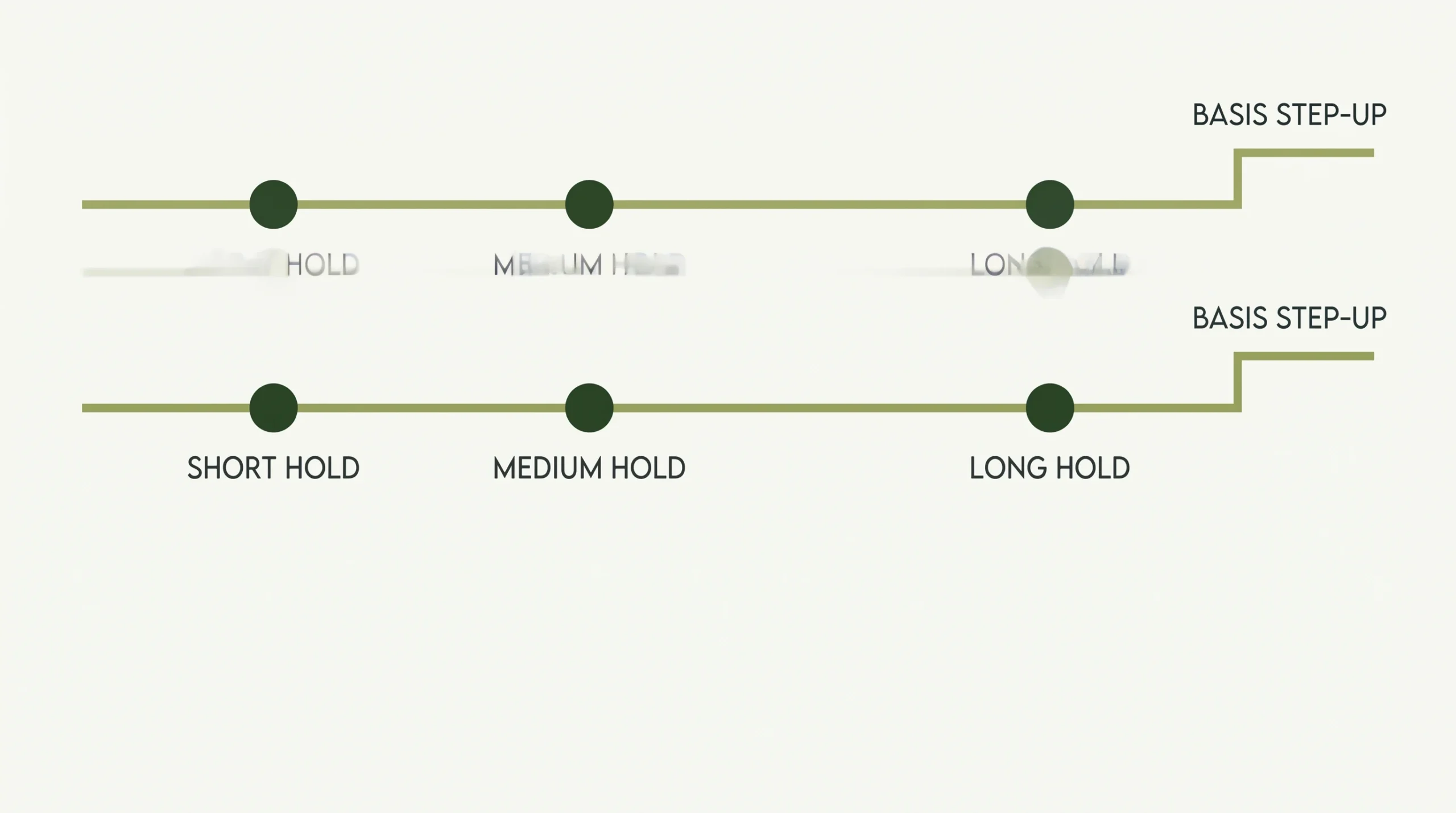
The value matters at two points in time. First, at contribution, when the fund puts money into the business. Second, at exit, after a ten-year hold, when a step-up wipes out tax on the new gain. A sound report captures both moments with market proof. Where the fund holds a part share, not the whole company, a discount for lack of marketability, or DLOM, may apply. That discount reflects how hard it is to sell a minority stake.
How does the substantial improvement test work?
The substantial improvement test asks a fund to double the basis of the property it buys. It has 30 months from the purchase date to reach that mark. Say a business holds 500,000 dollars in assets at the start. The fund must then add another 500,000 dollars in real upgrades. New equipment, buildings, and renovations count. Idle land alone does not.
A valuation sets the starting basis before the clock begins. That figure is the yardstick for every dollar of upgrade that follows. Owners track spending against it month by month. Fall short inside the window, and the whole deal can lose its tax status. This is why the first number must be right and well recorded. Talk with a valuation specialist before you begin. Sofer Advisors gives owners a firm baseline to measure against.
Which methods value a QOZB?
Three standard methods set fair market value: the asset, income, and market approaches. Each views the company from a different angle. For zone work, the asset approach often carries extra weight. It prices tangible property item by item, which feeds the substantial improvement test directly. The other two frame the value of the business as a whole.
| Approach | What it measures | Role in a zone deal |
|---|---|---|
| Asset approach | Value of tangible property, item by item | Sets the basis for the improvement test |
| Income approach | Value from expected future earnings | Prices the operating business as a whole |
| Market approach | Value drawn from sales of similar firms | Checks the other two against real deals |
No single method fits every case. A firm with steady cash flow leans on the income approach. An early-stage venture leans on its assets instead. A skilled appraiser weighs all three, then explains why one leads. The report must meet the Uniform Standards of Professional Appraisal Practice, known as USPAP, and follow IRS rules. That mix of judgment and proof turns a raw number into a solid one.
How do tax benefits affect the value?
Tax benefits belong to the investor, not the business. So they do not raise the fair market value of the company itself. Under Revenue Ruling 59-60, an appraiser prices the entity apart from any owner’s taxes. The deferral, the reduction, and the ten-year break are personal to the fund holder. They stay out of the core value.
Still, these perks can shape a real deal. A buyer who values the after-tax return may pay more than the standalone price. A good report keeps the two ideas apart. It states the base value plainly, then notes the market forces around it. For a part share, a DLOM cut lowers the value to reflect limited resale. The AICPA Statement on Standards for Valuation Services, or SSVS, guides how these calls are shown. This care is what makes the figure hold up before the IRS.
What makes a QOZ valuation defensible?
A defensible report fixes fair market value at the exact time of investment. It follows USPAP throughout. It records the basis of tangible assets in a form the IRS can audit. It spells out each method, the inputs, and the reasoning behind the number. A credentialed appraiser prepares it, someone who reads both tax law and appraisal rules. That paper trail protects the tax status if questions arise.
Choosing a provider is more than picking a name. Large firms such as Alvarez and Marsal or Stout serve big corporate clients. Sofer Advisors brings that same senior-level rigor to middle-market owners. And unlike a solo practitioner, it backs each report with a full W2 team of 14 and every major valuation database. The firm works through The Sofer Difference, a four-phase path of Discovery, Diligence, Analysis, and Delivery. That method reflects the Heart of a Teacher approach: show the owner the math, not just the answer. With 180+ five-star Google reviews and Inc. 5000 honors in 2024 and 2025, the work holds up under review.
Frequently Asked Questions
Do you need a valuation for an opportunity zone investment?
Yes. A formal valuation is a must for any Qualified Opportunity Zone Business to set the tax basis of its property. That baseline drives the upgrades the IRS requires. Without an outside number, you lack a record to prove your business met the substantial improvement test. Sofer Advisors prepares these neutral reports so your files match current federal rules and stand ready for review.
How is a business valued for a Qualified Opportunity Fund?
Experts often lean on the asset approach to price the property a QOZB holds. They value items like machinery, equipment, and land, which sets the start of the 30-month window. This step splits physical property from intangible value, a key point for the rules. The income and market approaches then frame the value of the whole business. Together they give the fund a number backed by real proof.
What is the substantial improvement requirement?
The rule asks a fund to double the value of the property it acquires within 30 months. The new spending must equal or exceed the original basis at the time of purchase. Real upgrades count, such as fresh equipment and renovations. If a business fails this test, it loses its qualified status. Sofer Advisors runs the independent valuation that fixes the precise basis needed to track these thresholds with confidence.
Do tax benefits raise the appraised value?
No. Opportunity zone tax benefits should not inflate the fair market value of a business. These perks belong to the investor, so an appraiser prices the entity on its own. The IRS wants reports that reflect real value, not the worth of future tax savings. A premium may still show up in a deal price. The core value, though, stays grounded in market data and sound judgment.
When is a QOZ valuation required?
A valuation is required at the start of a deal to set the first basis. It is often needed again each year to confirm the business still qualifies. You use this record to show it keeps the required asset and income ratios. Updated files prevent trouble during audits of your tax-favored status. Sofer Advisors builds records that serve as primary proof for these yearly reporting duties.
How much does a business valuation from Sofer Advisors cost?
A full business valuation for tax and transaction work usually runs 7,500 to 25,000 dollars. The price tracks the entity’s complexity and the scope of the report. Simpler jobs for planning fall toward the lower end. Zone deals with detailed asset tracking need deeper analysis, so they sit higher. Contact Sofer Advisors for a fee quote matched to your facts, with no set amount promised in advance.
What is the 70% tangible property test?
The test requires that at least 70% of a qualified business’s tangible property be used inside an opportunity zone. That property covers buildings, equipment, and inventory that sit in the area. Meeting this line is a must for favorable tax treatment under the federal code. Owners must watch where their assets sit to stay within the rule. Sofer Advisors confirms these ratios as part of its valuation work.
Can an existing business become a QOZB?
Yes. An existing business can qualify if it meets the substantial improvement test along with the income and asset rules. You must show that the fund has clearly improved the company’s capital base after buying in. That means documenting business value before and after the upgrades to verify the change. Sofer Advisors specializes in pinning down the starting basis for such transitions, so owners can document their compliance cleanly.
Who should perform a QOZ valuation?
Only a qualified, outside appraiser with tax and valuation experience should prepare these reports. Look for someone with known credentials who reads both tax law and asset appraisal. The work sits where two fields meet, and a misstep can cost the tax break. Sofer Advisors holds to these standards, so the reports serve owners well when they document their compliance.
Related Case Studies
- Valuing a Business Interest Donated to a CRT
- Section 6166: Deferring Estate Tax on a Business
- Installment Sale of a Business: Tax Deferral and Buyer Pushback
Executive Summary
An opportunity zone business valuation sets a company’s fair market value for IRS rules under a Qualified Opportunity Fund. That number is the starting basis for the substantial improvement test, which asks the fund to double the basis within 30 months. Appraisers apply the asset, income, and market approaches under Revenue Ruling 59-60 and USPAP. Tax perks belong to the investor, so they stay out of the core value, though a DLOM may lower a minority interest. Fair market value is fixed at contribution and again at the ten-year exit. A defensible report, built on market data, protects the tax status for the full decade.
What Should You Do Next?
Pin down the exact date of your initial investment to mark the start of the 30-month window. Gather every record of asset basis, including purchase prices and later improvements, for a clean baseline. Then send those files to your valuation professional early, so the final report can withstand IRS review.
For a report you can stand behind, work with David Hern CPA ABV ASA. His team has given expert witness testimony in 11+ cases across Georgia, Florida, California, and New Mexico. Schedule a consultation to discuss the valuation your opportunity zone deal needs.
People Also Read
About the Author
This guide was prepared by David Hern CPA ABV ASA, founder of Sofer Advisors, a business valuation firm headquartered in Atlanta, GA serving clients across the United States. David holds dual accreditations as an Accredited Senior Appraiser (ASA) and is Accredited in Business Valuation (ABV), credentials recognized by the IRS, SEC, and FINRA. He also holds the Certified Exit Planning Advisor (CEPA) designation. With 15+ years of valuation experience, David has served as an expert witness in 11+ cases across multiple jurisdictions and built Sofer Advisors into an Inc. 5000-recognized firm with 180+ five-star Google reviews. Its full W2 employee team maintains subscriptions to all major valuation databases and operates under a next business day response policy. For professional business valuation services, visit soferadvisors.com/about-us/ or contact Sofer Advisors at soferadvisors.com/contact-us/.
Disclaimer: This content is for informational purposes only and does not constitute professional valuation advice. Business valuation conclusions depend on specific facts and circumstances. Contact Sofer Advisors for guidance regarding your specific situation.









